Professional processing of engineering plastics
Stable series production with engineering precision, meeting automotive requirements in a controlled manufacturing environment – whether launching a new product or taking over an existing tool.
Engineering-led production launch
At Mitter, a production launch does not begin with machine setup, but with a rigorous engineering validation process. Our aim is to start a predictable, stable and reliably sustainable process on the first day of series production, rather than encounter unexpected problems.
What does engineering validation mean at Mitter?
Digital twin and simulation:
Before the first chip is cut from the tool steel, we use Moldflow® and other finite element simulations to examine filling patterns, cooling efficiency and potential deformation. This approach eliminates 95% of tool design errors during the digital phase.
DFM (Design for Manufacturing) audit:
We review every incoming design from a manufacturing perspective. We recommend changes to wall thicknesses, ejector positions or venting to achieve the shortest possible cycle times and predictable quality.
PPAP and metrology validation:
During the Production Part Approval Process, carried out in accordance with automotive standards, we validate every critical dimension (CTQ – Critical to Quality) using a 3D coordinate measuring machine. We only start series production once the process capability indices (Cpk, Ppk) demonstrate long-term stability.
Seamless tool transfer
We take over and audit your existing tool. Thanks to our in-house tool shop, we inspect transferred tools immediately, optimise them where necessary and put them into production as quickly as possible, allowing your production to restart smoothly with minimal downtime.
Tooling and production from one source
Fast response and systematic problem-solving. We eliminate technological and communication gaps between suppliers.
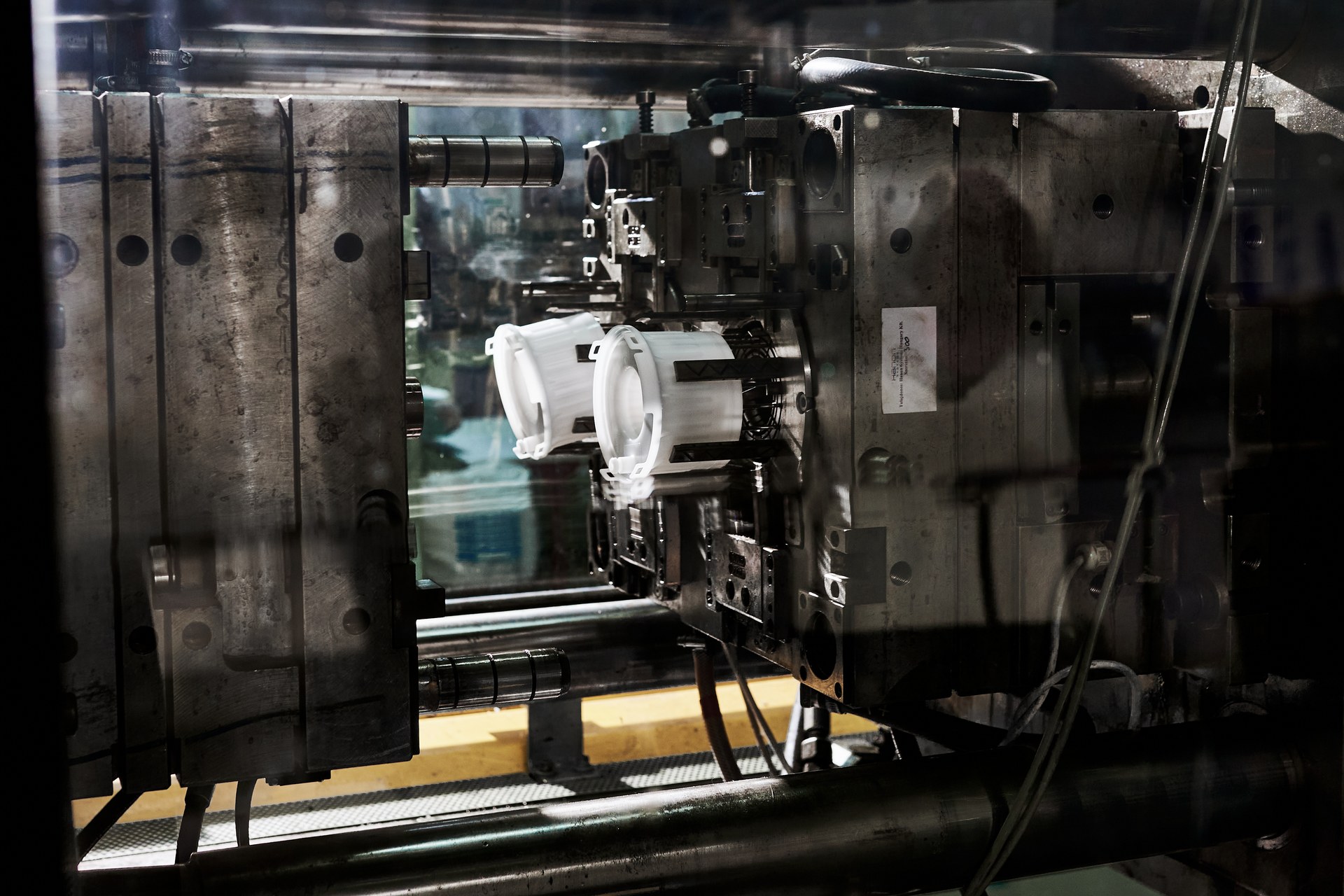
Most manufacturing projects suffer delays or cost increases at the boundary between toolmaking and injection moulding. If a problem arises during production, the external toolmaker blames the machine settings, while the injection moulder blames the tool. At Mitter, this conflict does not arise: responsibility is concentrated in one place.

What are the benefits?
Immediate intervention
If we detect any irregularity during series production, such as flash, gate issues or wear, you do not have to allow for weeks of logistics and external service appointments. We can move the tool to our in-house repair bench within hours, minimising downtime.
Cost-effective modifications
Product development often requires subsequent fine-tuning. Because our production and toolmaking data are held in one system, we carry out modifications faster, more accurately and with lower administrative costs.
Practical manufacturing experience
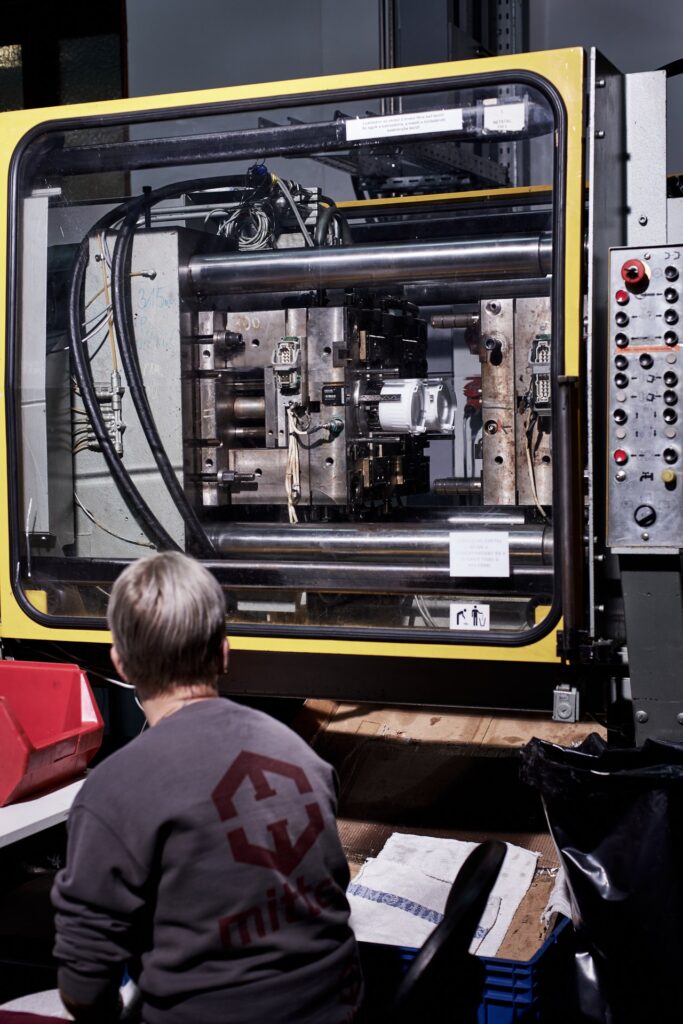
Real-world experience from the injection moulding machine is fed directly back to our tool designers and toolmakers. This feedback loop enables us to optimise our tools using practical production experience as well as theory.
Guaranteed number of cycles
We deliver more than a piece of equipment: we promise continuous production. For projects running at our facility, we provide a comprehensive maintenance and service-life guarantee for our own tools.

PROFESZIONÁLIS
SZERSZÁMKÉSZÍTÉS
Versatile applications
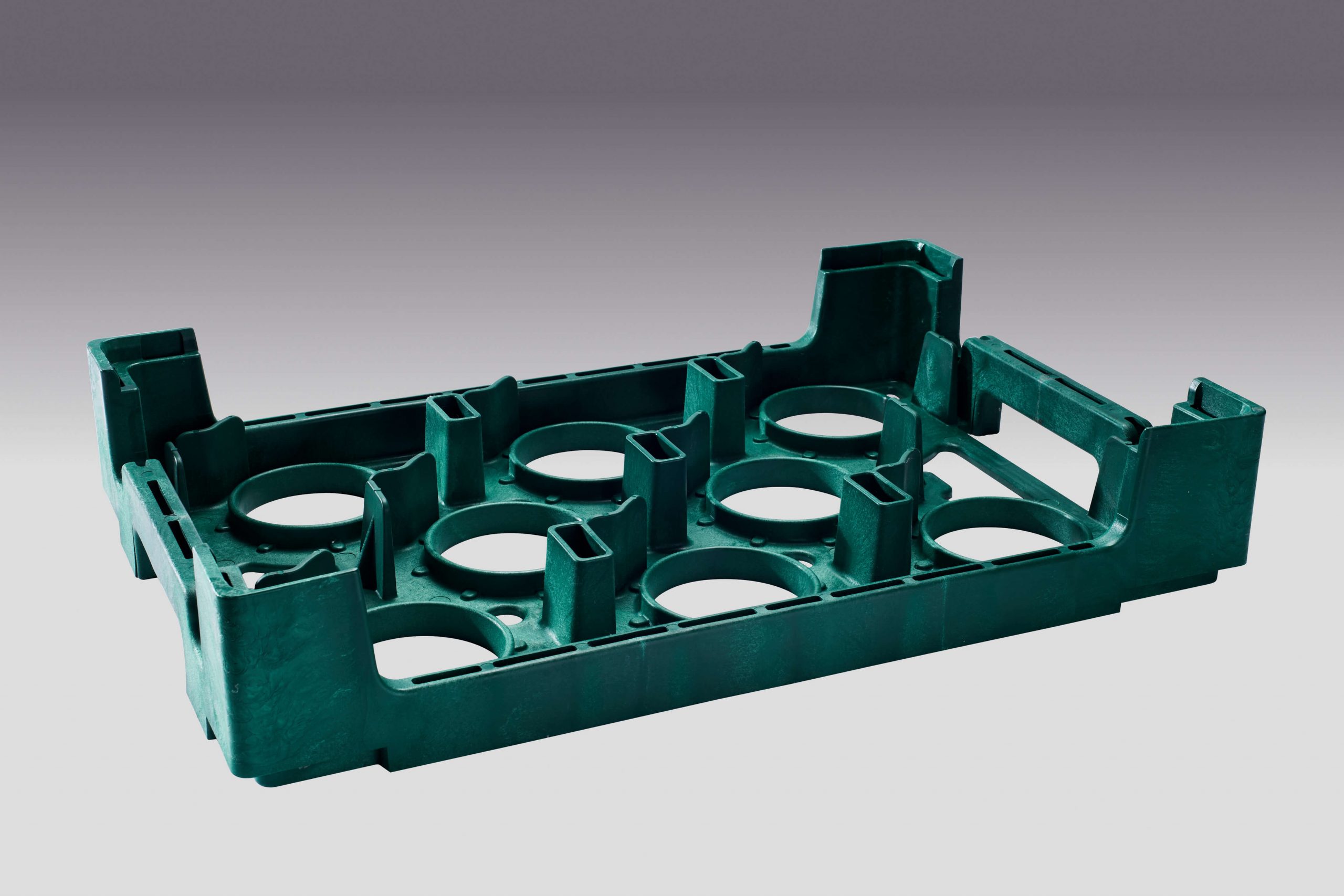
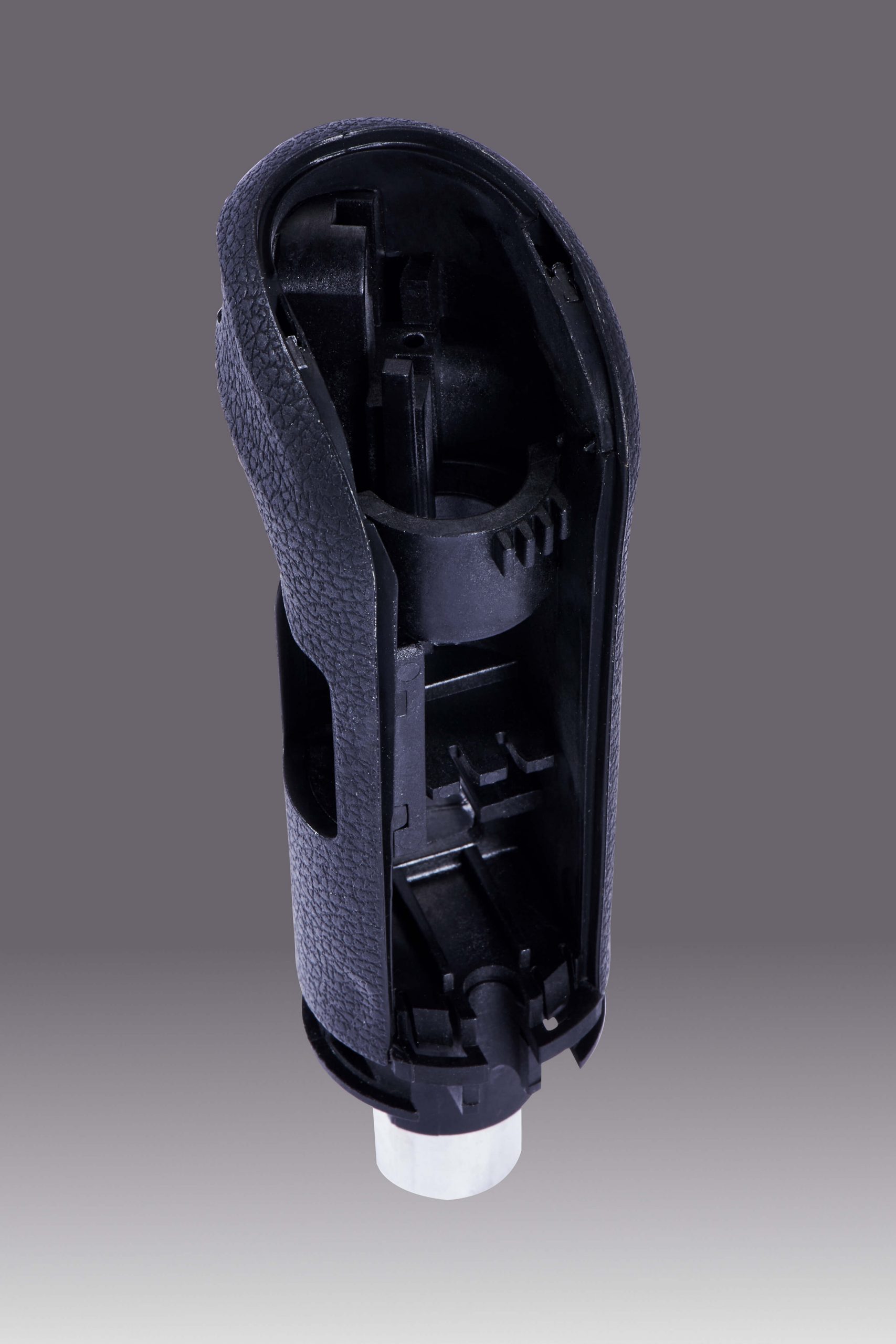
We also manufacture and repair the following tools:

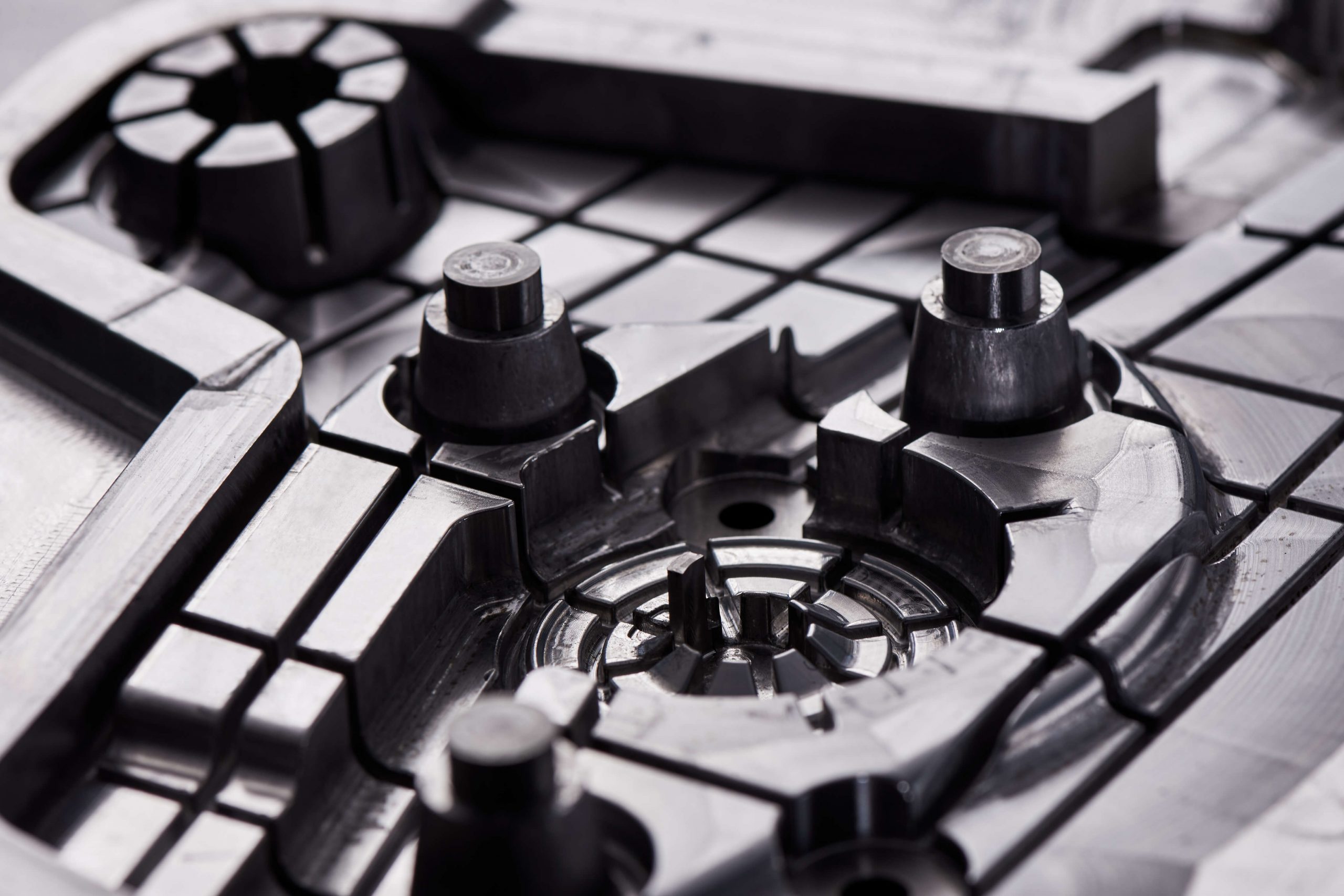
Precision tools
Injection moulds for thermosets and thermoplastics
Multi-cavity moulds
Aluminium die-casting dies
Blanking, bending and pressing tools
Prototype tooling
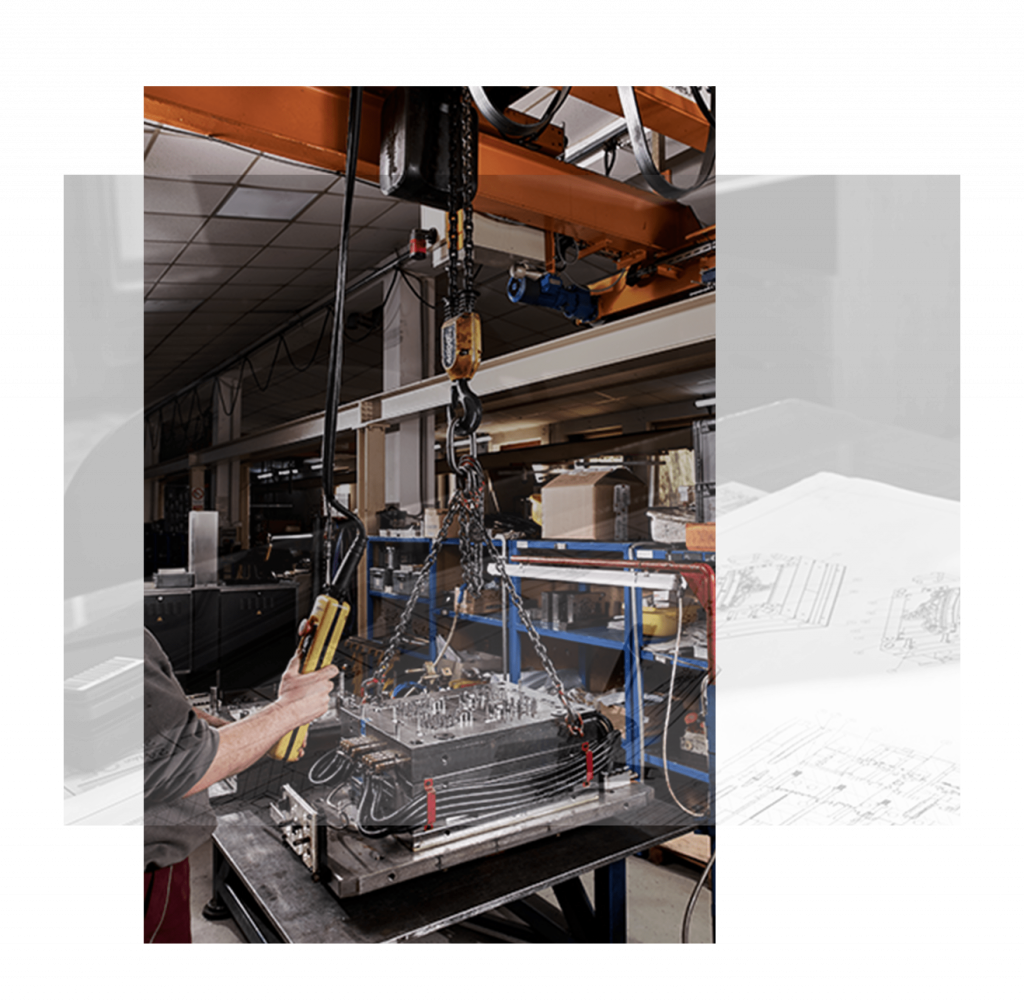
Thanks to our commitment to continuous improvement and ongoing investment in our machinery, we can now meet tooling requirements across a wide range of applications, from the smallest sizes up to mould plates measuring 1600 × 800 mm. Our activities have expanded to include plastic injection moulding, allowing us to offer our customers complete solutions for the metal and plastics industries.
An automotive quality culture
Stable processes and measurable quality, optimised for medium production volumes: at Mitter, injection moulding is a controlled technological process rather than mass production. We supply industries where tolerances measured in tenths of a millimetre and a zero-defect expectation (0 ppm) are fundamental requirements.
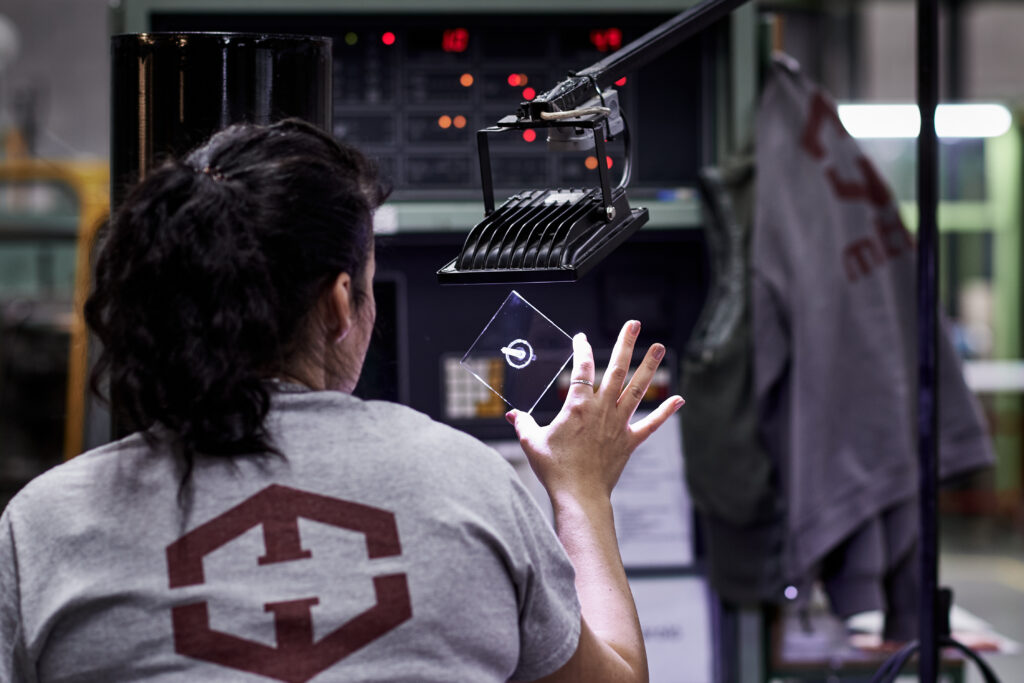
In-process inspection:
Validated measurement reports, visual and dimensional checks during the cycle.
Traceability:
Every production batch is traceable back to the raw material supplier's batch number.
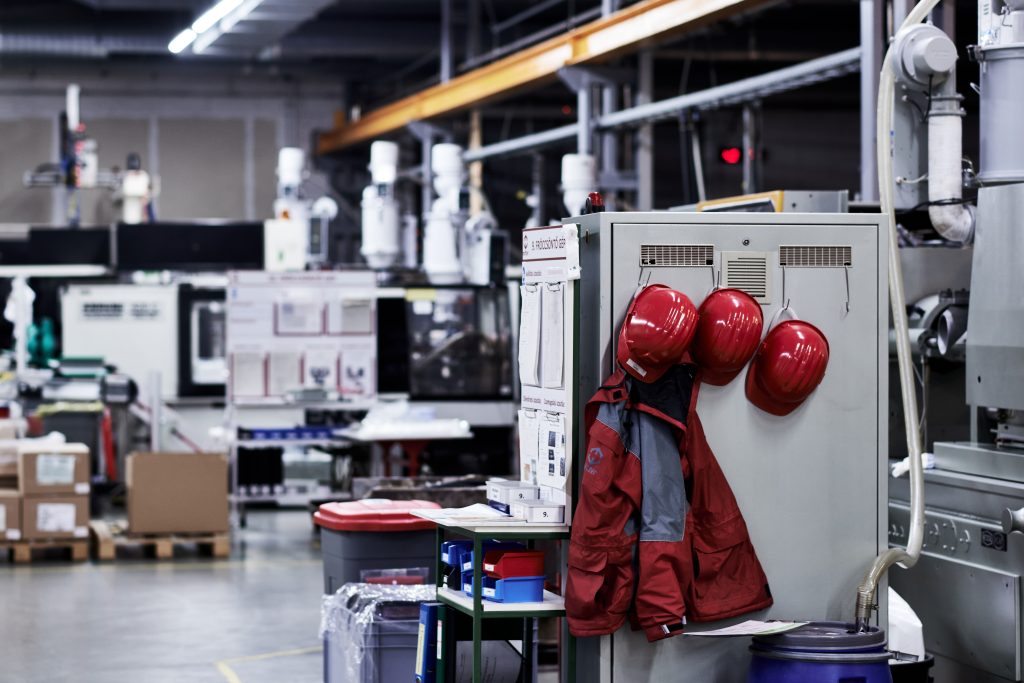
Cleanliness and control:
An organised, audit-ready production environment where 5S and process reliability are part of the daily routine, not just marketing.
Processing engineering plastics
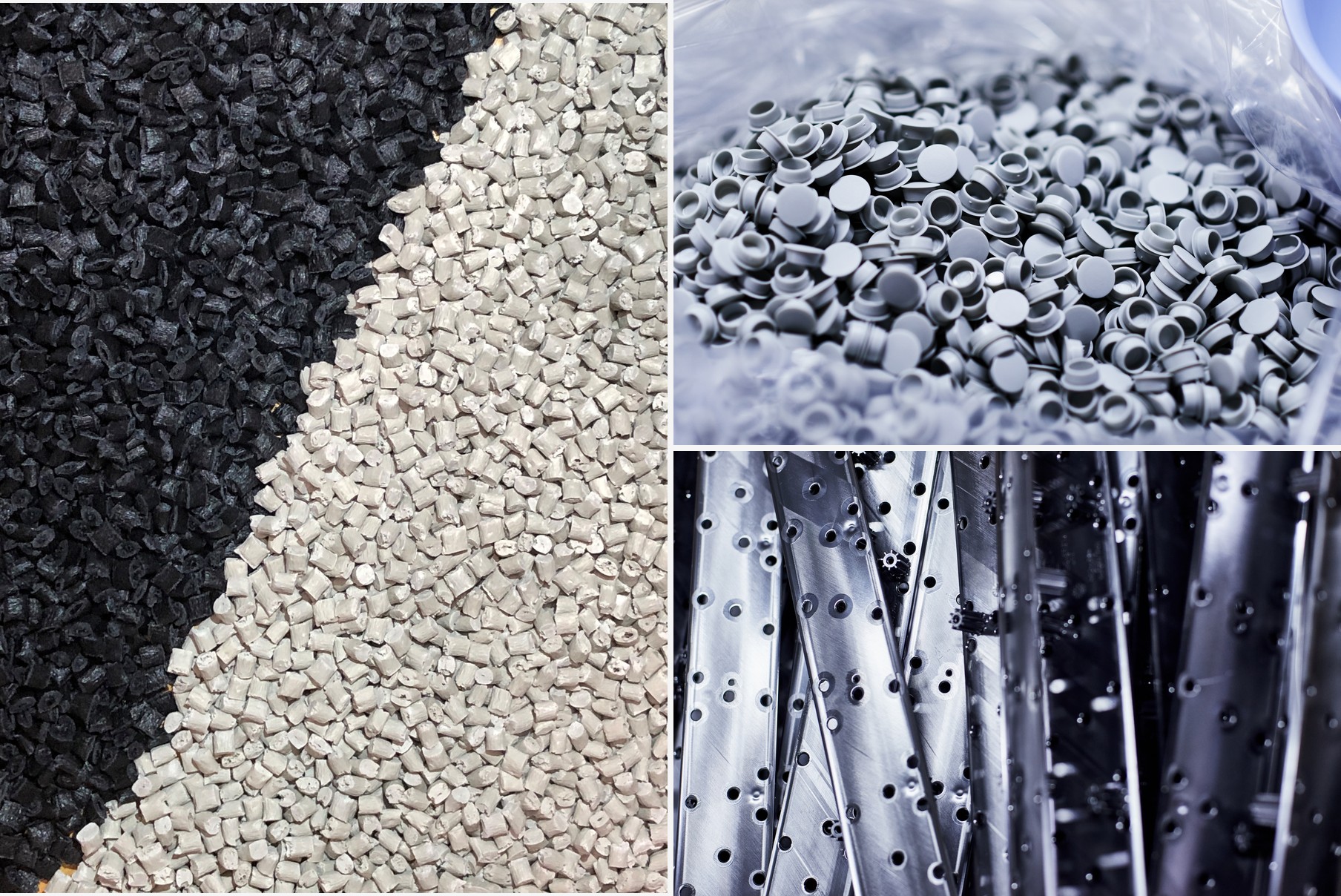
We specialise in processing engineering polymers and high-performance materials for industrial applications: PA6, PA66, PBT, POM, PPS, PPA, and special flame-retardant and glass-fibre-reinforced (GF10–50%) composites. Our understanding of material shrinkage and crystallisation dynamics enables us to ensure dimensional stability.
Our drying systems ensure that critical materials have the optimum moisture content before processing, preventing hidden material defects.
Our machinery
| Model | Clamping force |
|---|---|
| Engel | 30 T |
| Netstal Neomat (2 machines) | 60 T |
| Netstal Neomat (2 machines) | 90 T |
| Arburg 420 C | 100 T |
| Engel | 100 T |
| Sumitomo Demag Systec (2 machines) | 100 T |
| Netstal Neomat (2 machines) | 150 T |
| Sumitomo Demag Systec | 160 T |
| Sumitomo Demag IntElect | 160 T |
| Sumitomo Demag IntElect | 220 T |
| Sumitomo Demag IntElect | 280 T |
| Engel | 300 T |
| Sumitomo Demag Systec | 650 T |
| Engel | 700 T |
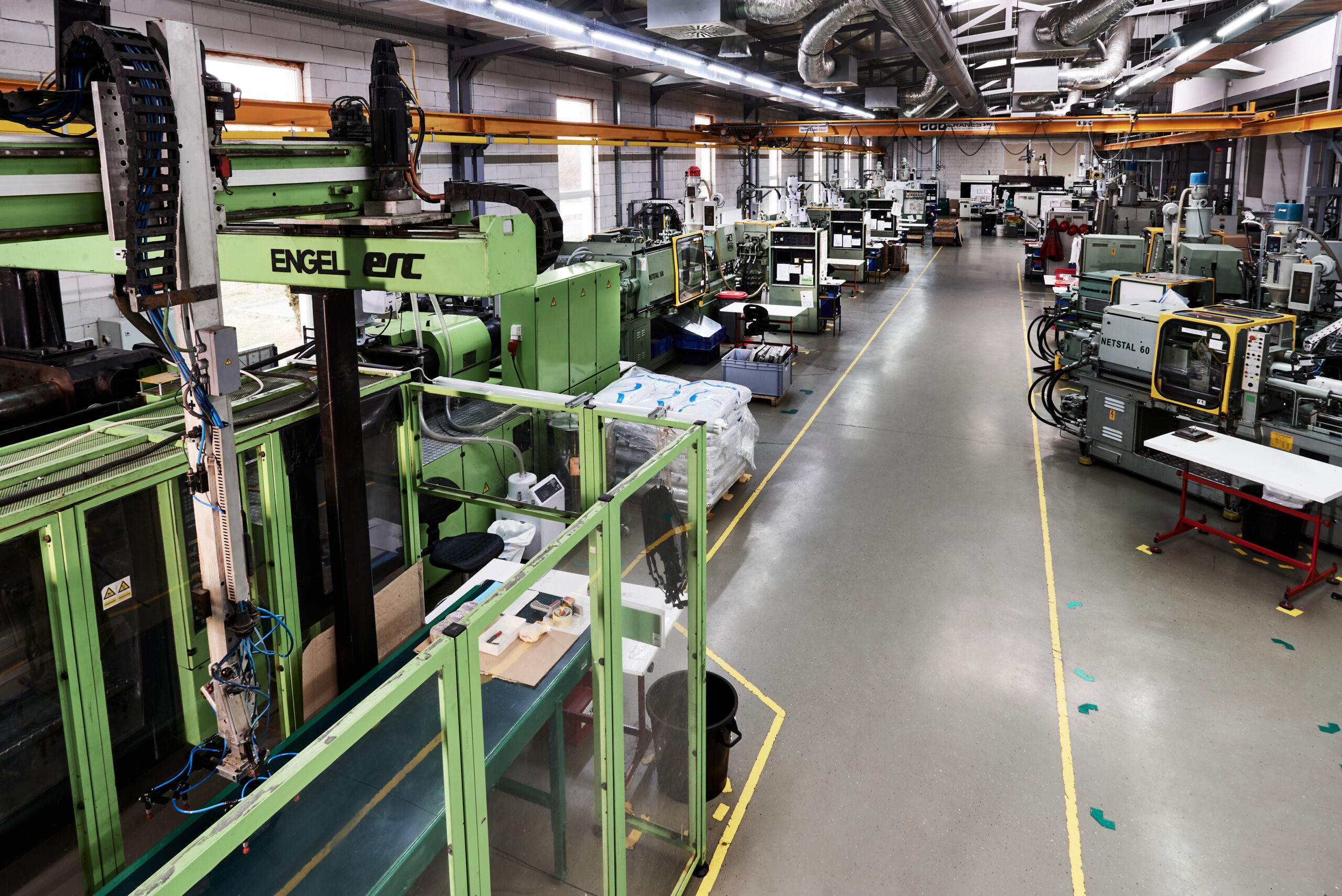
Consistent quality. Precision manufacturing
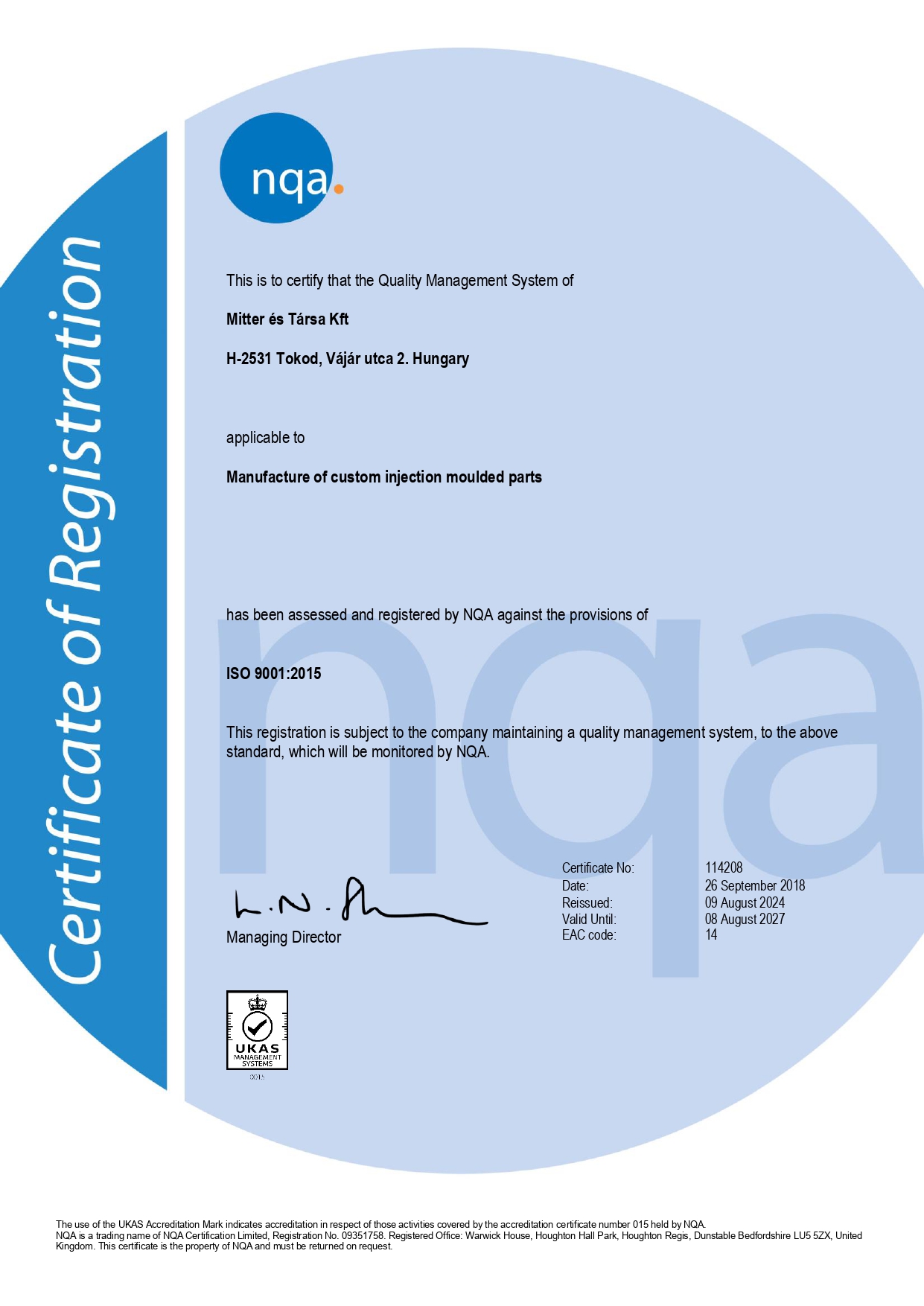
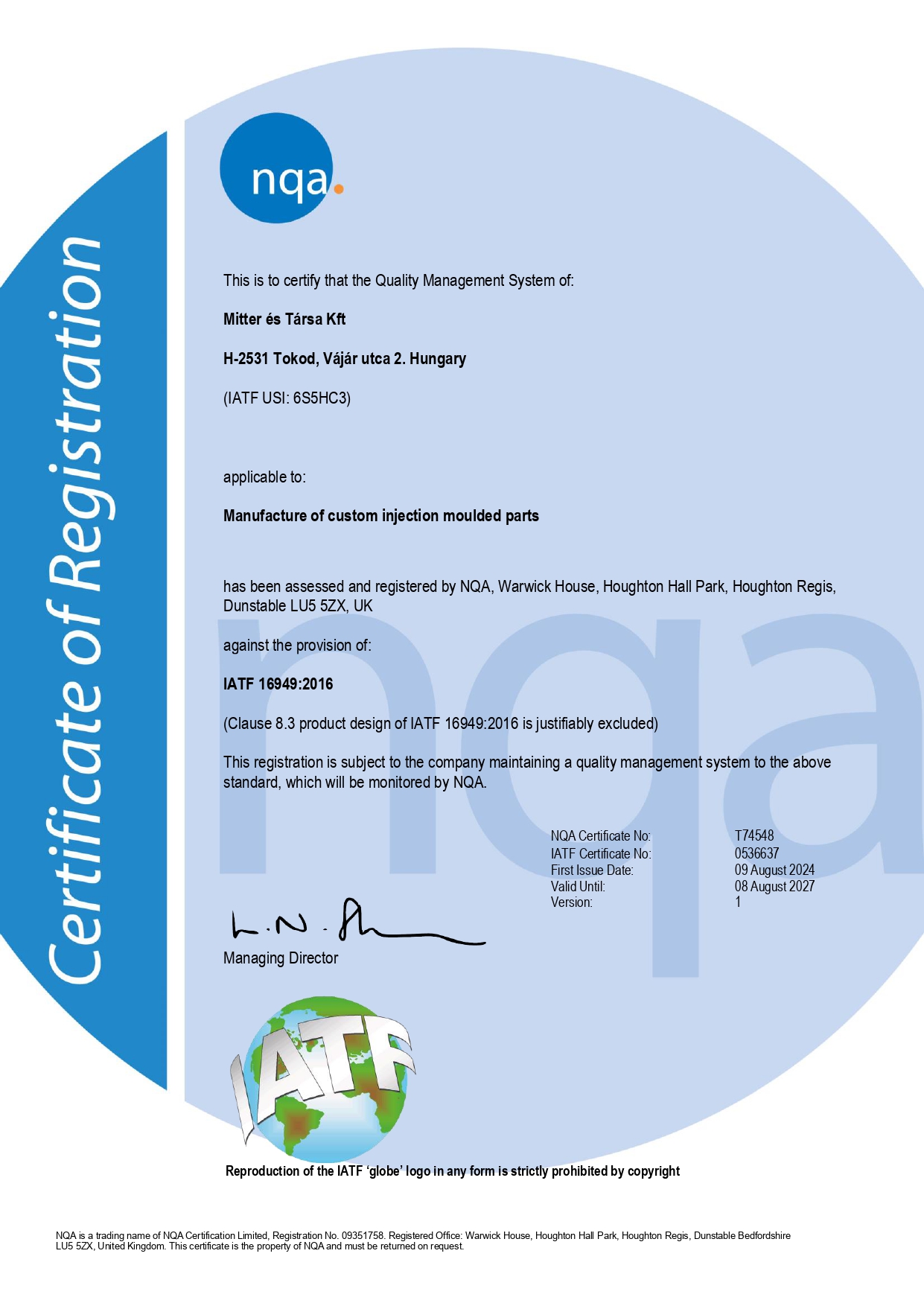
Our plant is IATF 16949 certified, so our production operates to the highest automotive requirements through stable, controlled and continuously improved processes. Our manufacturing culture, based on the 5S approach, and the more than 1 000 000 components we manufacture and validate each year guarantee reliable, consistent quality.